
A Simple Guide to Picking the Best Watering Setup for Your Lawn and Plants
The right irrigation system depends on your yard size, soil type, plant types, and how much time you want to spend watering. Small lawns may do well with basic sprinkler setups. Garden beds often work better with drip lines. If you want less hands-on work, automatic timers can help. Choosing the right option starts with knowing your yard and your goals.
What You Need Before Starting
Before you compare irrigation services or equipment, take a close look at your yard. Walk around and make notes. This step will save time and money later.
Here are a few things to check:
- Yard size and shape
- Soil type, such as sandy or clay
- Types of plants and grass
- Sun and shade areas
- Water pressure at your home
Clay soil holds water longer. Sandy soil drains fast. Flower beds need different watering than grass. These details help you avoid dry spots or root rot.
Step-by-Step Process to Choose the Right System
Follow these steps to narrow down your options and feel confident in your choice.
- Map your yard. Draw a simple sketch showing lawn areas, garden beds, and trees.
- Group plants with similar water needs together.
- Decide between sprinkler or drip systems based on plant type.
- Check your water pressure to match system requirements.
- Pick manual or automatic controls.
- Set a budget for installation and upkeep.
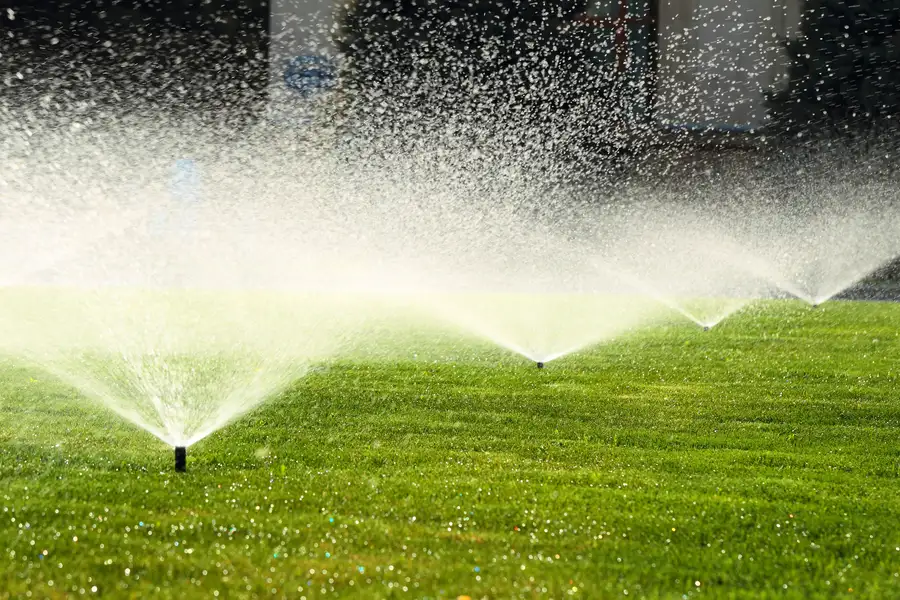
Sprinkler systems work well for wide grass areas. They spray water over the surface. Drip systems use small tubes that slowly release water at the roots. This method wastes less water and is great for shrubs and gardens.
If you travel often or have a busy schedule, automatic timers are helpful. Many irrigation services offer smart controllers that adjust watering based on weather.
Common Mistakes to Avoid
Many homeowners pick a system based only on price. That can lead to poor coverage or high water bills. A cheap system that waters the sidewalk is not a good deal.
Another mistake is mixing spray heads with different output levels in the same zone. This causes uneven watering. Some plants end up soaked, while others dry out.
It is also easy to ignore future growth. Small shrubs may not need much water now. In a few years, they will.
When to Call a Professional
Simple hose timers are easy to install on your own. Full in-ground systems are more complex. Planning pipe layout, setting zones, and connecting valves takes skill.
If your yard has slopes, low water pressure, or drainage issues, expert help is a smart move. Professional irrigation services can design a system that avoids runoff and dry patches.
A licensed team can also handle permits if your area requires them. They test the system and adjust spray patterns for full coverage. This saves water and protects your landscaping. If you are adding new landscaping features like garden expansions or tree planting, it is a good time to upgrade your watering setup.
Final Recommendation and Next Steps
Choosing the right system starts with understanding your yard. Match the system to your plant types, soil, and daily routine. Do not rush the decision. A well-planned setup saves water, lowers bills, and keeps your lawn healthy.
Professional irrigation services can help you design a system that fits your property and lifestyle. The goal is steady, even watering without waste. A thoughtful plan today prevents costly changes later.
Ready for Expert Help?
If you are planning a new watering system in Belfair, WA, we can help you choose an option that fits your yard and budget. At New Leaf Landscaping LLC, we design and install custom irrigation systems built for long-term performance. Call (360) 215-9571 to speak with our team and schedule a consultation today.